
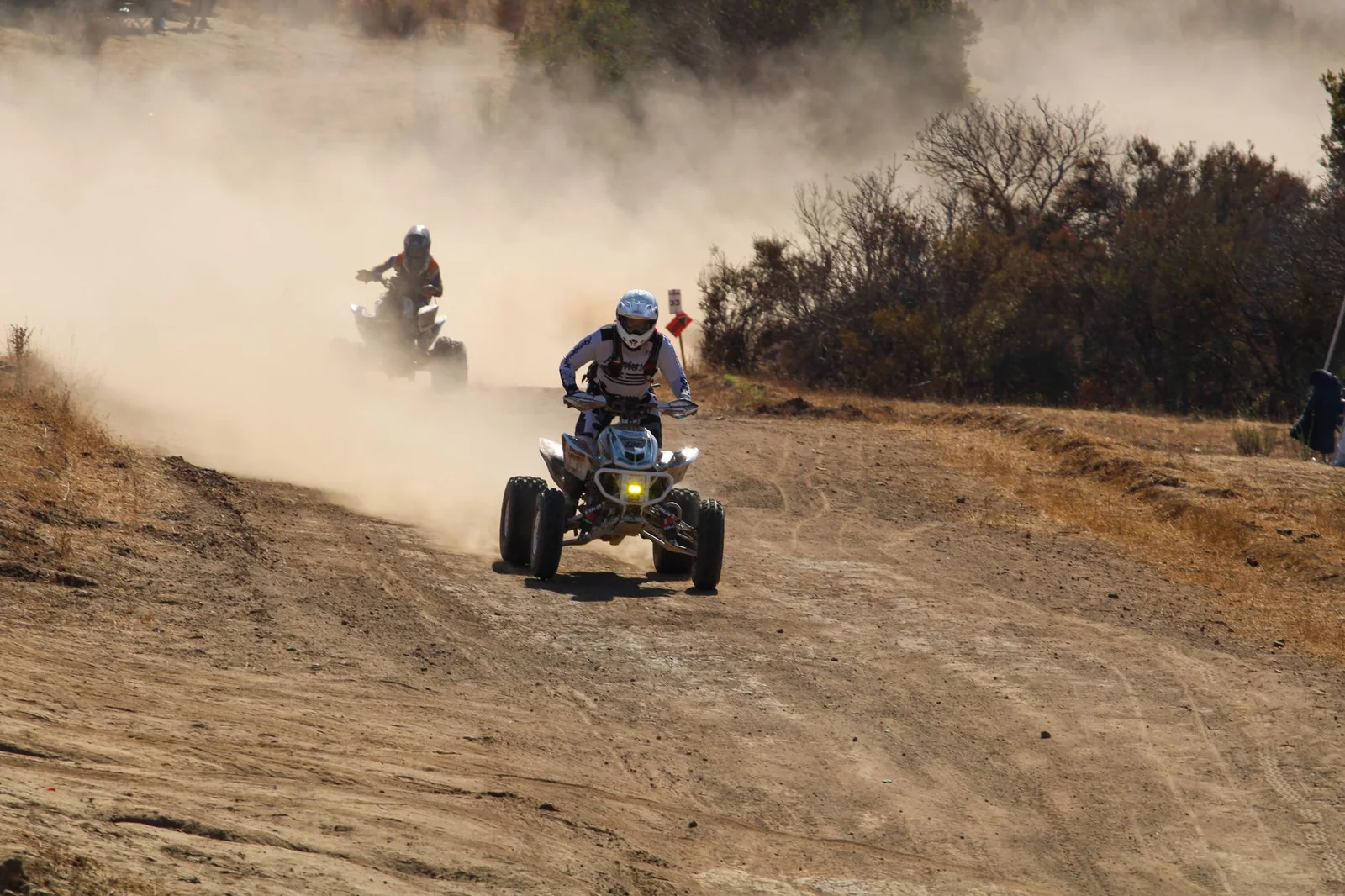
Check-in gates end more Curaçao off-road mornings than flat tires ever do. Every week along Willemstad’s staging yards, a guest reaches into a beach bag, pulls out a smartphone photo of their driver’s license, and watches their convoy roll through the gate without them.
Not many first-time riders realize that guided ATV and buggy tours on Curaçao spend real minutes on paved public streets before touching dirt. Under island law, those asphalt crossings turn every quad and side-by-side into a regulated motor vehicle subject to police stops, signal laws, and zero alcohol tolerance. Between tarmac intersections and dry cactus scrub out back, riders also run straight into razor-sharp fossil coral, coastal manchineel sap, blinding clay dust, and strict national park boundaries. Review our Curaçao ATV and buggy hub or compare vetted operators inside the verified tour directory once you know which rules apply before leaving your hotel or cruise pier.
Curaçao ATV & Buggy Safety Essentials
- Physical License Only: Carry an original plastic Category B driver’s license (plus an International Driving Permit if printed in non-Latin script); phone images are refused at staging.
- Age Floors (18+ vs 21+): Standard ATVs and East buggies allow licensed 18+ drivers, while several Can-Am / UTV fleets enforce 21+ driver rules and unguided road rentals require 23+.
- No Right Turn on Red: Turning right against a red light is strictly illegal island-wide; obey 40 to 45 km/h urban limits and 60 km/h rural speed caps on street transitions.
- Mandatory Footwear & Helmets: Open sandals or flip-flops get turned back with zero refund; sharp limestone coral and kadushi cactus spines require closed-toe shoes and helmets.
- Park & Flora Bans: ATVs are banned inside Christoffel and Shete Boka National Parks, illegal on Jan Kok salt pans, and must avoid caustic mansaliña (manchineel) beach trees.
Driver Licenses, Age Minimums & Zero-Tolerance Rules
Under Curaçao’s Road Traffic Ordinance (Wegenverkeersverordening), Korps Politie Curaçao (KPC) enforces strict licensing standards on any motorized quad or UTV touching paved roadways. Only rural trailheads like Tera Korá (GYG-1137091 at $218.50 (~€201.02) per pair) skip major urban streets, whereas departures from Vesta Stadium, Cornelisbay, Veerisweg near Sambil, Piscadera, and Willemstad East all link dirt tracks across public tarmac. Every machine rolling onto asphalt must display a legal license plate (kenteken), current inspection, paid road tax, and valid third-party liability insurance (WA-verzekering).
Hold a valid physical Category B automotive driver’s license in your pocket before walking up to any check-in desk. Digital copies on phones fail operator insurance audits and carry zero weight during a KPC traffic check. Travelers whose domestic licenses use Cyrillic, Arabic, Greek, Japanese, Korean, or Chinese alphabets also need an official International Driving Permit (IDP) paired alongside the original card. Passengers riding behind on a double quad or buckled beside you inside a two-seat UTV need zero driving credentials at all.
Age cutoffs trip up families almost as often as forgotten wallets. Legal driving age on Curaçao sits at 18, so classic quad tours such as Eric’s ATV Adventures (9023P1 at $118.00 (~€108.56)), G-Atv Tours (GYG-512961 at $115.00 (~€105.80)), and Curacao Buggy Adventures (GYG-481716 at $170.00 (~€156.40) per two-seat buggy) welcome licensed 18+ drivers. Step into heavier West Coast UTV and Can-Am platforms, though, and operator policies tighten fast. Fleets like BlueFinn Charters (119383P9 from $229.00 (~€210.68)) and select Spannerben-area UTV packages enforce 21+ driver rules or minimum license tenure, while the few unguided asphalt quad rentals near Willemstad cap drivers at 23+ and ban dirt riding completely.
Kids and weight limits follow separate physics rules. Double-rider ATVs require pillion passengers to plant boots firmly on rear footpegs, which locks out children under 6 to 12 years old (roughly 1.35 to 1.40 meters tall). Belted bucket seats in side-by-side UTVs open doors for younger riders, starting at age 4+ on gentler East Sint Joris buggies (GYG-481716) or meeting height/seatbelt fit from roughly age 4+ on BlueFinn (119383P9), whereas bumpier West Coast UTV runs like 207794P3 enforce a strict 12+ passenger floor. Infants and toddlers in car seats are banned across every fleet, and payload limits hold firm around 220 to 235 lbs (100 to 107 kg) for solo quads, 440 lbs (200 kg) on doubles, and 1,000 lbs (~450 kg) across most multi-seat UTVs (check full cabin trade-offs in our ATV quad vs UTV buggy comparison).
Alcohol enforcement leaves zero wiggle room. Staging guides run visual sobriety checks at briefing, and even one cold beer at a beach stop violates zero-tolerance convoy rules and public traffic law, leading to immediate vehicle removal without a refund. Handheld mobile phone use behind handlebars or steering wheels is equally illegal on public streets, so mount phones in secured holders or stash cameras inside zippered packs while rolling. Tour safety waivers also exclude pregnant travelers and visitors nursing recent neck, back, or spinal injuries because repetitive washboard limestone hits hard through stiff trail suspension.
Public Road Crossings & Curaçao Traffic Laws
Think street signs stay mild once a guide waves your convoy out onto the pavement? Think again. Visiting North American drivers make one predictable mistake within five minutes of leaving Willemstad depots, and KPC officers watch closely for it.
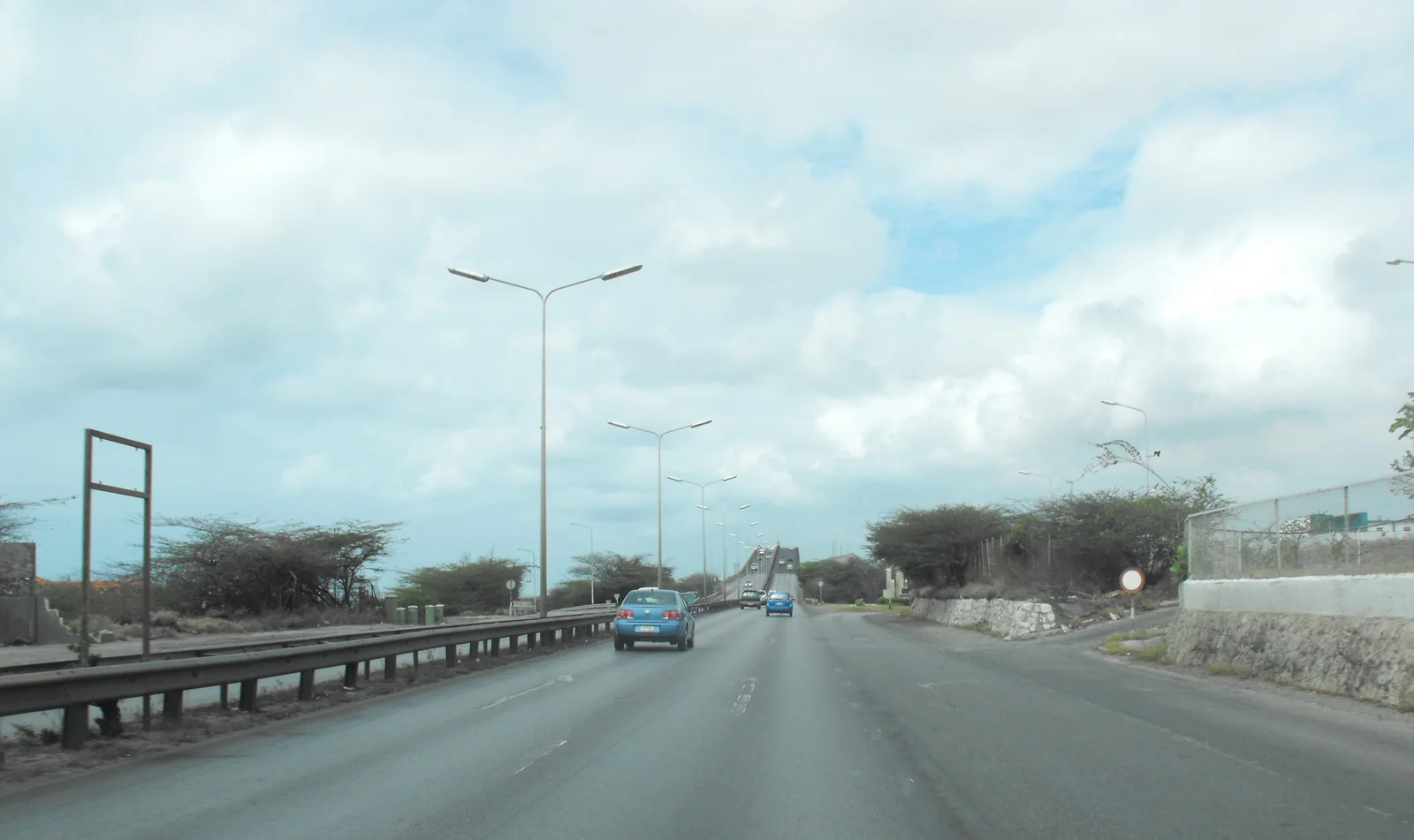
Traffic across Curaçao drives on the right side of the roadway, yet turning right against a red traffic signal is strictly illegal everywhere on the island. Wait cleanly behind the painted stop line until green returns, even when oncoming lanes appear completely empty from your UTV bucket seat. Convoy tail-end riders face extra pressure here: never run a stale amber or fresh red light just to stay close to the lead guide’s bumper. Guides anticipate urban signal splits and wait safely on wide shoulders ahead.
Right-of-way rules also catch renters off guard at rural junctions outside Willemstad. Through-traffic traveling along main arterial roads holds strict priority over vehicles entering from side stems at T-junctions. At unmarked intersections lacking stop or yield plates, priority passes to traffic approaching from your right. Around roundabouts, cars already circulating inside the ring usually hold right-of-way, though road crews mark exceptions across select intersections using white painted yield triangles known locally as “shark’s teeth”. Watch pavement paint rather than guessing what drivers ahead intend to do.
Metric speed limits stay clearly lower than mainland highways. Urban and built-up districts run 40 to 45 km/h, rural secondary roads across Banda Ariba and Banda Abou run 60 km/h, and major ring corridors cap at 80 km/h unless posted lower. Off-road trail sections drop far below street speed, naturally, because loose gravel and blind bush corners leave tight stopping margins. Read our guide on getting to Curaçao trailheads if you plan to drive a rental car out to Tera Korá or Santa Rosa before mounting a quad, or review cruise port shore transfer timing so AST (UTC-4) dock schedules never rush road habits.
Surface grip on paved connectors hides a seasonal surprise documented across Meteorological Department Curaçao (MDC) weather patterns. Island road builders blend crushed local coral limestone right into asphalt paving mixes. Months of dry sun polish those coral pebbles glass-smooth, collecting fine clay dust and vehicle oil on top. Whenever brief overnight or dawn rain hits between October and January, even a ten-minute shower floats grime up onto polished coral aggregate and turns tarmac unexpectedly slick. Double your following gap behind the quad ahead on damp pavement, especially entering roundabouts around Hato or Sambil. Our seasonal Curaçao weather guide tracks dry dust vs wet slick months in detail.
Curaçao Off-Road Safety & Legal Rules Reference
| Category | Legal Rule or Physical Limit | Trail & Road Consequence |
|---|---|---|
| Driver’s License | Physical Category B plastic card on person; IDP needed for non-Latin script | Phone photos rejected at check-in; zero refund if barred from street segments |
| Driver Age | 18+ legal minimum (ATVs & GYG-481716); 21+ on select UTVs; 23+ unguided road quads | Underage licensed drivers lose buggy driving rights; passenger swap only if available |
| Alcohol & Phones | Zero impairment tolerance; zero handheld phone handling while driving | Immediate removal from convoy by guide; KPC fines on paved connectors |
| Traffic Signals | Right-hand driving; NO right turn on red anywhere on Curaçao | Tail riders running red lights risk KPC citations and side-impact collisions |
| Intersections | Priority to through-traffic on T-junctions; yield right at unmarked corners | Read painted “shark’s teeth” triangles carefully before entering roundabouts |
| Speed Limits | 40 to 45 km/h urban; 60 km/h rural; 80 km/h highways (lower on dirt) | Coral-aggregate asphalt grows slick after light rain; leave wide braking space |
| Mandatory Gear | Certified helmet (hair cap supplied) + closed-toe sneakers or hiking shoes | Flip-flops and open-heel sandals fail gate inspection; bare legs risk cactus spines |
| National Parks | Zero ATVs/UTVs inside Christoffel & Shete Boka; stay off Jan Kok salt beds | Illegal trespass damages fragile sea-turtle coves and flamingo feeding silt |
Trail Hazards: Coral Limestone, Manchineel & Kadushi Scrub
Leaving tarmac behind trades traffic risks for raw geology and thorny island flora. Two rock formations shape every trail outside Willemstad, and neither forgives thin beach clothes or careless steering. Uplifted Seroe Domi and Pleistocene coral limestone benches edge the windward coastline from East Coast Sint Joris and Playa Kanoa across to northern West Coast Boca Patrick ledges. Wave action and salt weathering chew fossil reef shelves into honeycomb needles harder than concrete. Drop a bare ankle off a footpeg onto pocketed coral rock, and it slices skin cleanly.
That jagged rock profile explains why every operator bans flip-flops, Crocs, and open-heel strapped sandals at staging. Closed-toe athletic sneakers or hiking boots protect toes from shifted footwell stones and hot engine housings, while certified safety helmets (paired with disposable hygienic hair caps) shield skulls during rollovers or low cave-entry walks. Pair sturdy shoes with wraparound UV eyewear and a breathable neck gaiter or bandana (typically $3.00 to $5.00 (~€2.76 to €4.60) at depots depending on the operator, though included on tours like 207794P3). Check our Curaçao off-road packing checklist before stuffing your daypack.
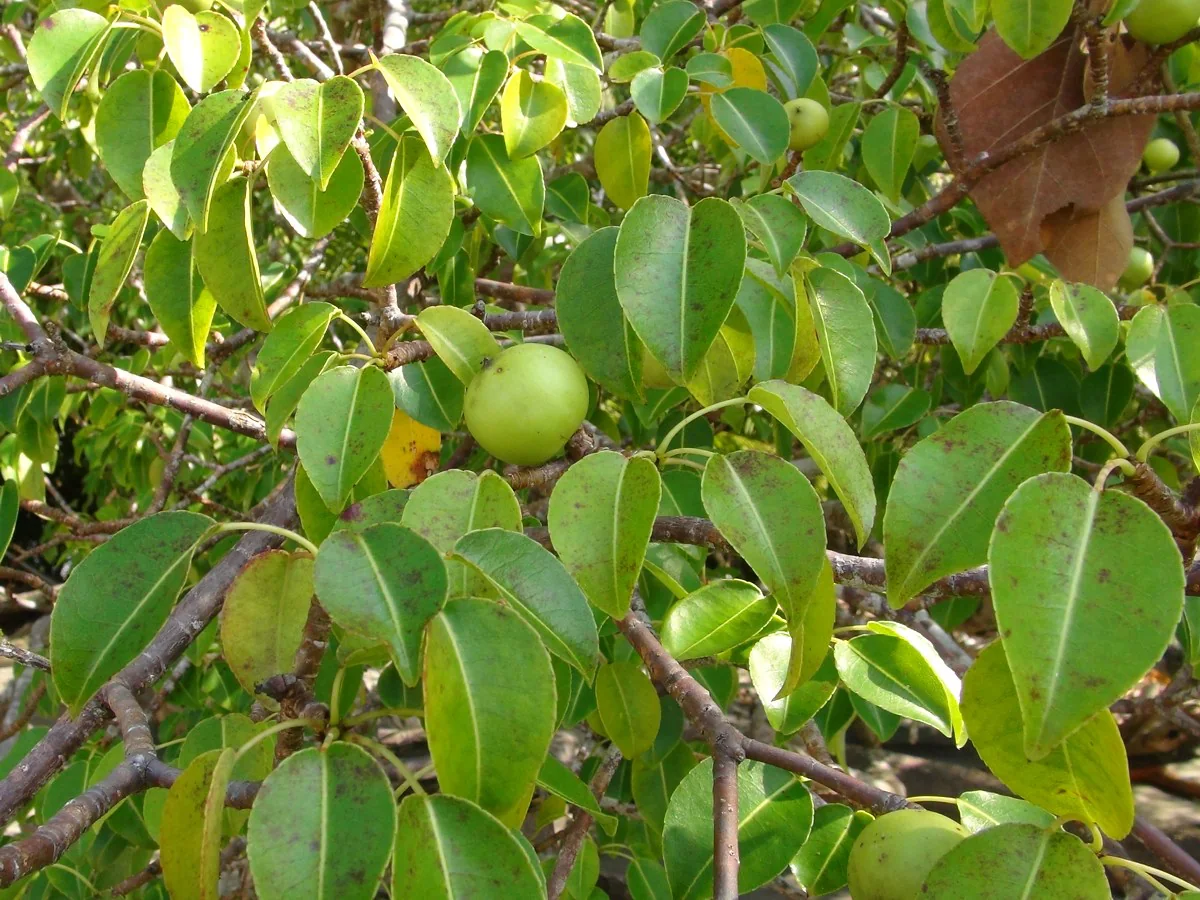
Watch what kind of green shade you pull beneath at beach swim breaks. Scattered quietly along sheltered coastal thickets sits manchineel (Hippomane mancinella), known locally as mansaliña. Every single tissue of this tree carries caustic milky sap: leaves, rough bark, twigs, and deceptively fragrant green apple-like fruit. Never stand under a manchineel canopy during a passing rain shower, because raindrops wash invisible sap straight down onto shoulders and necks, triggering painful blisters within hours. Keep fingers away from stray fruit on the sand, and never snap low overhanging coastal branches while backing a wide UTV out of a sandy parking pocket near Daaibooi or Kokomo Beach.
Inland dirt corridors across Curaçao’s Guajira-Barranquilla xeric scrub zone present sharper hazards in plain sight. Ribbed candelabra cacti called kadushi (Cereus repandus and Subpilocereus), flat-paddle prickly pear (Opuntia), and thorny acacia brush crowd single-track cuts near Ronde Klip and Tera Korá. Keep elbows tucked inside UTV roll bars and hands glued to ATV grips rather than swatting brush away at speed. After all, stinging cactus needles snap cleanly off in fabric and take tweezers to remove back at your resort.
Dust visiblity and ocean surf round out daily field risks. Dry weather from February through June grinds weathered Cretaceous basalt along the Hato Plains and St. Joris tracks into rust-red talc that hangs thick behind lead vehicles. Leave at least two to three vehicle lengths between rigs so braking taillights and sudden limestone ruts stay visible through the cloud. Carry plenty of drinking water and apply broad-spectrum reef-friendly sunscreen beforehand; 12°N equatorial sun bounces fiercely off pale reef stone even under Force 4 to 5 northeast trade winds (20 to 39 km/h). And never judge ocean calm by a sunny overlook: Atlantic swells and rip currents along Playa Kanoa make north-coast swimming dangerous on East ATV runs, whereas calm leeward coves on West tours allow safe rinse-off breaks.
Protected Parks & Off-Road Exclusion Zones
Hardly anyone buying an off-road tour checks island conservation maps first, yet strict protected borders dictate every commercial route on Curaçao. Terrestrial reserves fall under CARMABI (carmabi.org), which bars recreational off-roading inside both major national parks to protect fragile native wildlife and Pleistocene coastal karst.
At Christoffel National Park in the island’s northwest (6:00 AM to 2:00 PM daily; last ticket admission strictly 1:30 PM; Mount Christoffel summit climbs banned after 10:00 AM against heat exhaustion; adult entry $15.00 USD / ANG 25.00 (~€13.80)), posted park law reads verbatim: “No motorcycles, buggies, ATV’s or quads allowed in the park.” Drones, pets, open fires, smoking, and loud speakers are equally forbidden, and hikers must carry two liters of water per visitor. Guests wanting motorized access inside Christoffel must rent standard enclosed passenger cars or book park-sanctioned enclosed Jeep safaris.
Coastal Shete Boka National Park (8:00 AM to 4:00 PM daily; last gate entry 3:00 PM; adult fee $15.00 USD / ANG 26.25 (~€13.80)) applies parallel off-road limits. Visitors stick strictly to designated car lanes, foot paths, and cliffside observation decks overlooking sea-turtle nesting bokas such as Boka Pistol and Boka Tabla. Taking quads across open fossil-coral headlands or down onto soft cove sand destroys nesting habitat and brings immediate ranger intervention.
Even outside national park gates, wet salt flats stay strictly off-limits. Along the Willibrordus road corridor toward Jan Kok Salt Flats (Salina Jan Kok), riders pause along dry elevated track edges to photograph wild Caribbean flamingos wading for brine shrimp. Pulling tires off dry gravel onto wet pink saline mud is illegal and wrecks feeding flats fast. Learn how legal trail easements thread past St. Joris, Ronde Klip, San Pedro, and Tera Korá inside our Curaçao island terrain guide.
Five Safety & Legal Mistakes to Avoid
- Phone-Screen License Gambling: Showing a photograph of your driver’s license at gate check-in guarantees non-refundable refusal on road-crossing ATV and UTV tours.
- Right-on-Red Reflexes: Rolling right through a red intersection light in Willemstad or along highway connectors violates island law and invites KPC enforcement or collisions.
- Rain Shelter Under Beach Trees: Waiting out a passing shower beneath unfamiliar coastal mansaliña (manchineel) branches causes severe chemical skin blistering and eye irritation.
- Unguided Dirt Rental Promises: Street-legal quad rentals requiring 23+ drivers forbid dirt trails, beaches, and parks in their insurance clauses; off-road riding requires licensed guided convoys.
- Rough North-Coast Cliff Swims: Climbing down jagged coral shelves into surf swells at Playa Kanoa risks serious cuts and rip-current rescues; save ocean swims for sheltered leeward coves.
Official Curaçao Emergency & Roadside Numbers
Verify that your mobile phone carries active roaming data or a local eSIM and sits above 50% battery before stepping into a dusty convoy. Remote stretches above San Pedro and northern St. Joris have spotty shade, sparse foot traffic, and harsh heat if a vehicle breaks down away from the group. Official island emergency services documented by Curacao.com Emergencies operate round the clock through the direct numbers below.
- Police & Fire Department (Emergency): 911
- Ambulance & Medical Dispatch: 912 (plus 910 emergency medical inquiry line)
- Coast Guard / Maritime Rescue: 913 (use for coastal cliff falls or swimmer distress)
- Police Non-Emergency (KPC): 917
- Traffic Accident Service (Forensys Curaçao): 199 (mandatory call whenever any crash occurs on a paved public street so insurance claims stay valid)
- Roadside Assistance (24/7 Wegenwacht): 9247 (or +5999 465-0896 from international mobile SIMs)
- Curaçao Medical Center (CMC Hospital): +5999 745-0000 (main island hospital at J.H.J. Hamelbergweg z/n, Otrobanda, Willemstad)
Keep vehicles completely stationary after any minor public-road fender bender until Forensys (199) and police confirm clearance, since moving a vehicle prematurely on Curaçao streets complicates insurance documentation. Save your booked tour operator’s dispatch number straight from your confirmation voucher at check-in rather than relying on memory mid-trail, and inspect seatbelts, brakes, and helmet straps before clearing the staging gate.
Frequently Asked Questions
Physical Category B license vs phone photo or International Driving Permit: what do Curaçao ATV gates require?
Age 18+ quad drivers vs age 21+ or 23+ UTV operators: who can legally drive in Curaçao?
9023P1, $118.00 (~€108.56)) and G-Atv (GYG-512961, $115.00 (~€105.80)) plus East buggy tour GYG-481716 ($170.00 (~€156.40) per 2-seat vehicle). Several higher-displacement UTV or Can-Am fleets enforce a 21+ driver minimum (such as BlueFinn 119383P9 from $229.00 (~€210.68)), while unguided street-legal quad rentals require 23+ drivers and forbid dirt tracks altogether.